The following works and documentations are part of my research-creative process during my artist in residence at FarmArt in Bellingwolde. The project and mobility was funded by the European Union and implemented by Goethe Institut.
These series of works explore the themes of cultural heritage, diversity, and globalization, and their intertwinement with Semiotics, Archaeology, and Anthropology. Being born and raised up in the divided capital of Cyprus, Nicosia, has given me a unique perspective on the impact of borders on cultural exchange and creativity.
Through my travel to Bellingwolde, I delved deeper into these themes by examining the impact of cultural diversity on the creative process and exploring the concept of free flowing cross-border exchange in contrast to division.
Bellingwolde is located within walking distance of Germany, was a perfect opportunity for me to explore the free-flowing cross border region.
HOME flag
video
fabric, stitched text, metallic pole
The “HOME” flag project is an installation that delves into the concept of finding one’s true home. With its distinctive shape resembling a pointer and the word “HOME” emblazoned across it, the project aims to explore the profound meaning of the term and how it is intricately intertwined with the environment.
This installation only becomes active under specific circumstances and weather conditions, symbolizing Human kind’s vulnerability on the environment. The flag can point in various directions, yet, it also has the capacity to point downwards, emphasizing the vulnerability and transience of the concept of home, much like the ever-changing nature of humanity.
By drawing inspiration from the nomadic lifestyles of our ancestors, the project aims to shed light on how human beings have historically wandered and sought shelter in different places. It prompts us to reflect on our own movement and adaptation in search of a place we can call home.
Ultimately, the “HOME” flag project serves as a visual metaphor that encourages contemplation on the multifaceted nature of home and its deep connection with our surroundings. Through its evocative design and poignant message, it invites viewers to question their own notions of home and the impact of the environment on our sense of belonging.
For this project, new techniques were taught by the hostess of the artist-in-residence FarmArt, (Lisa Smithson), in order to bring it to life.
Evidences of borders
video, video-stills
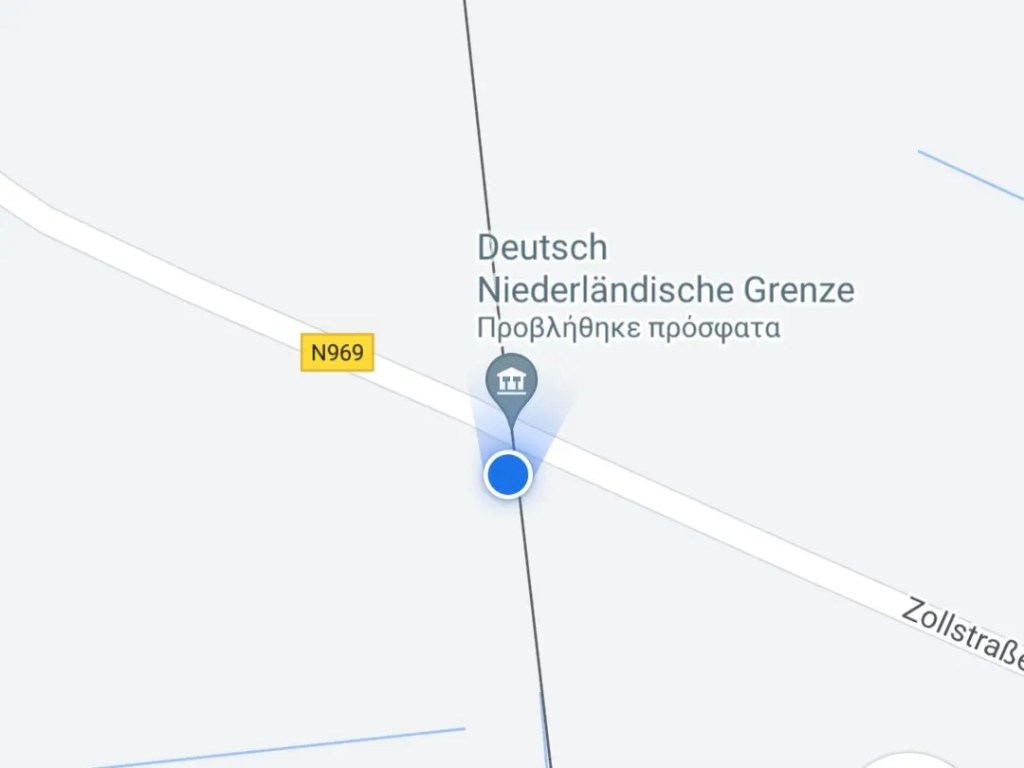
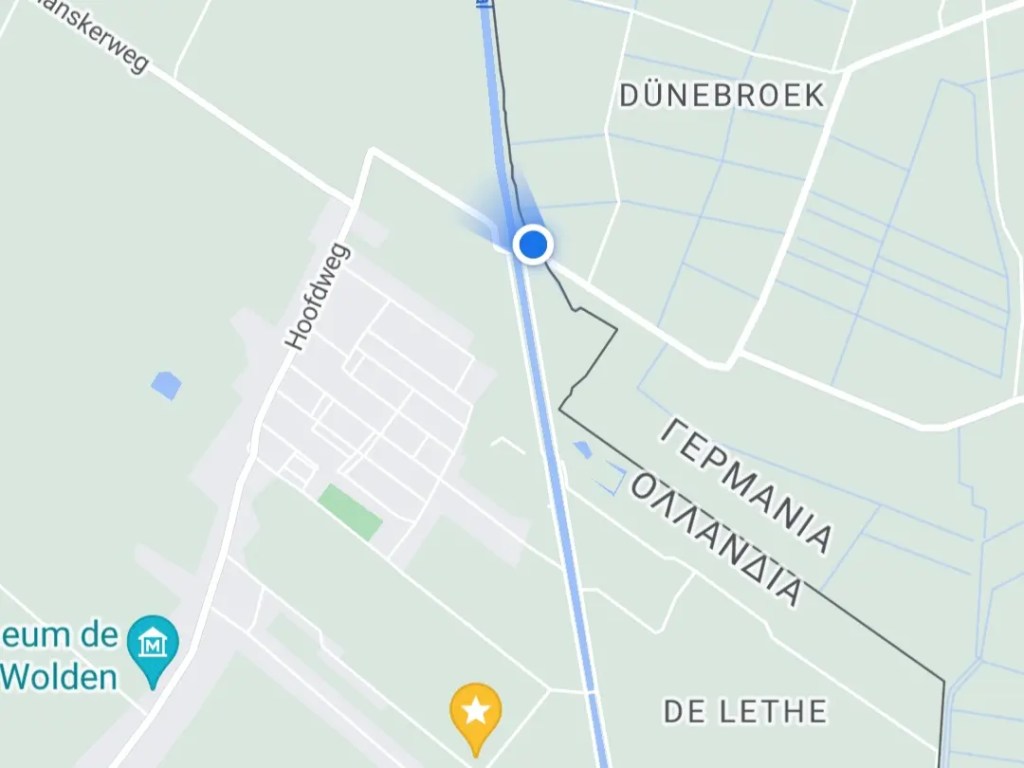
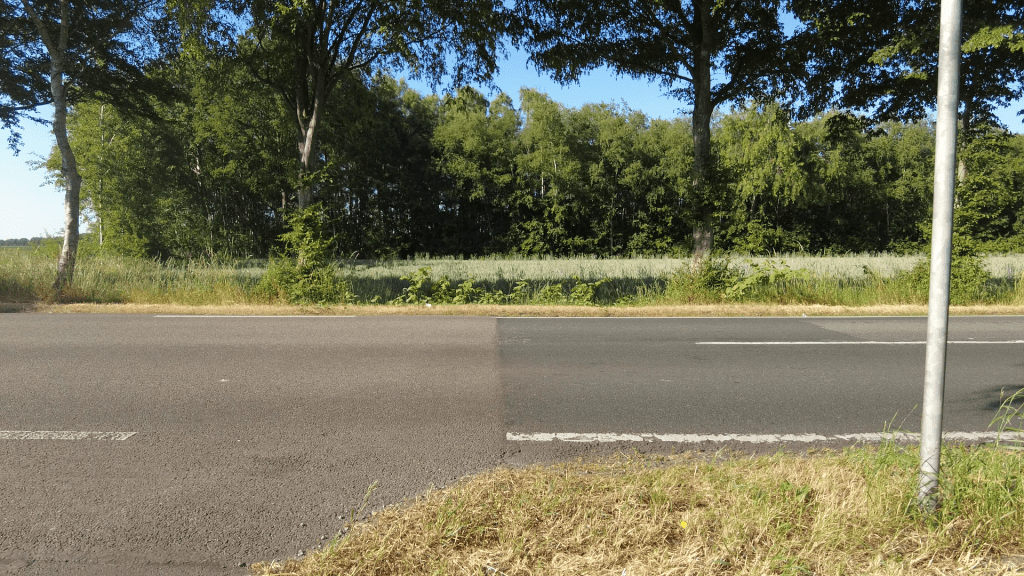
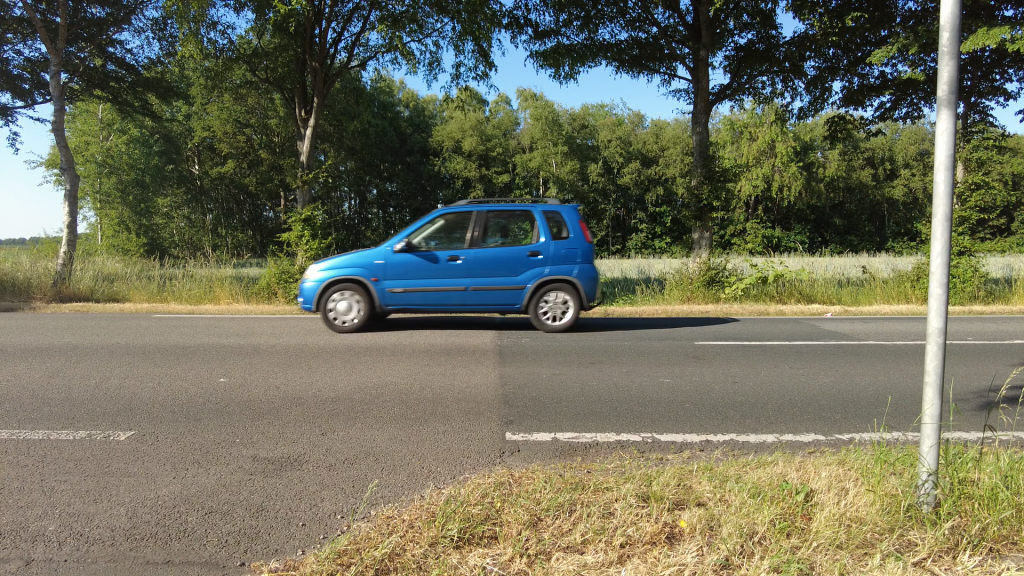
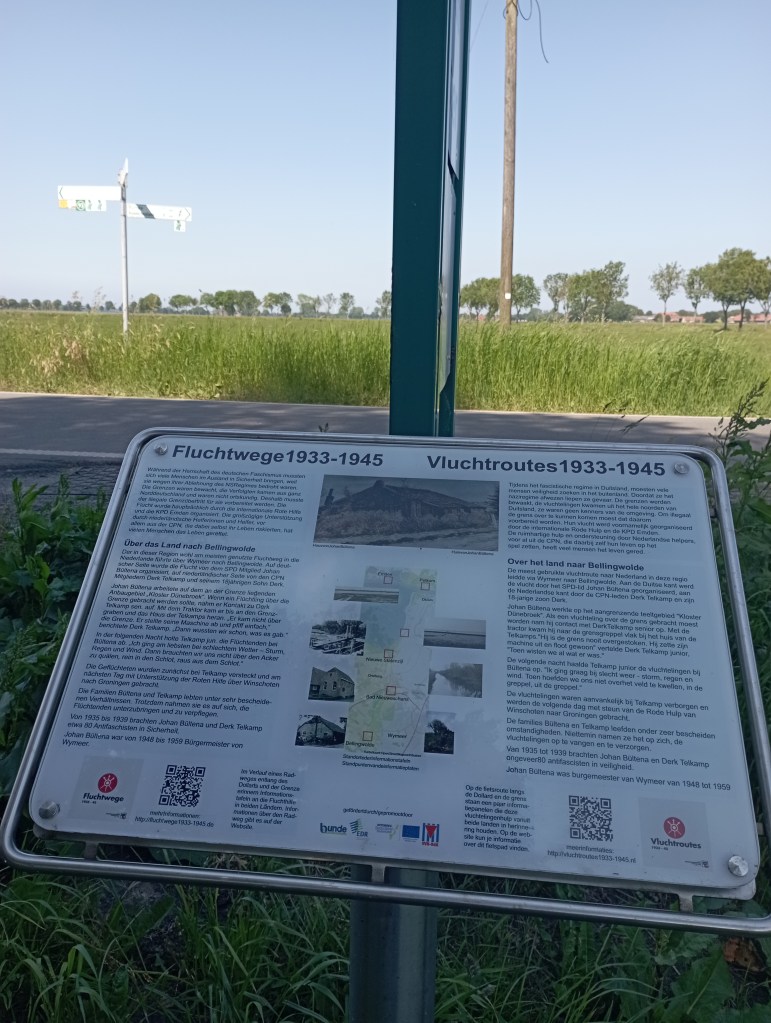
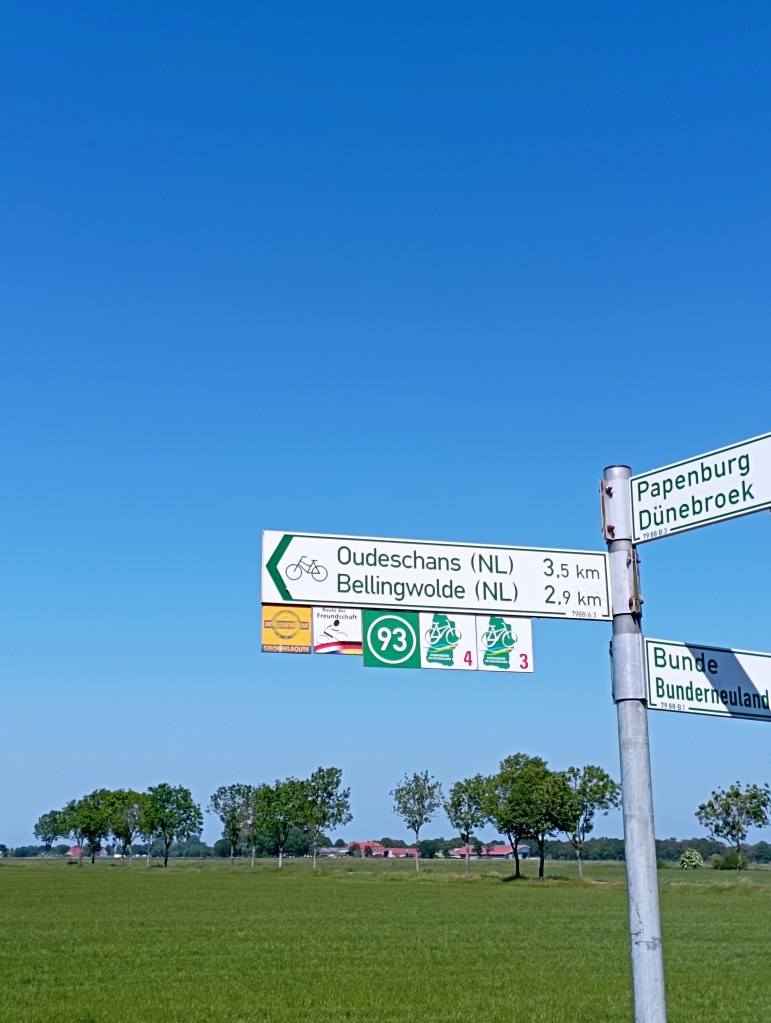
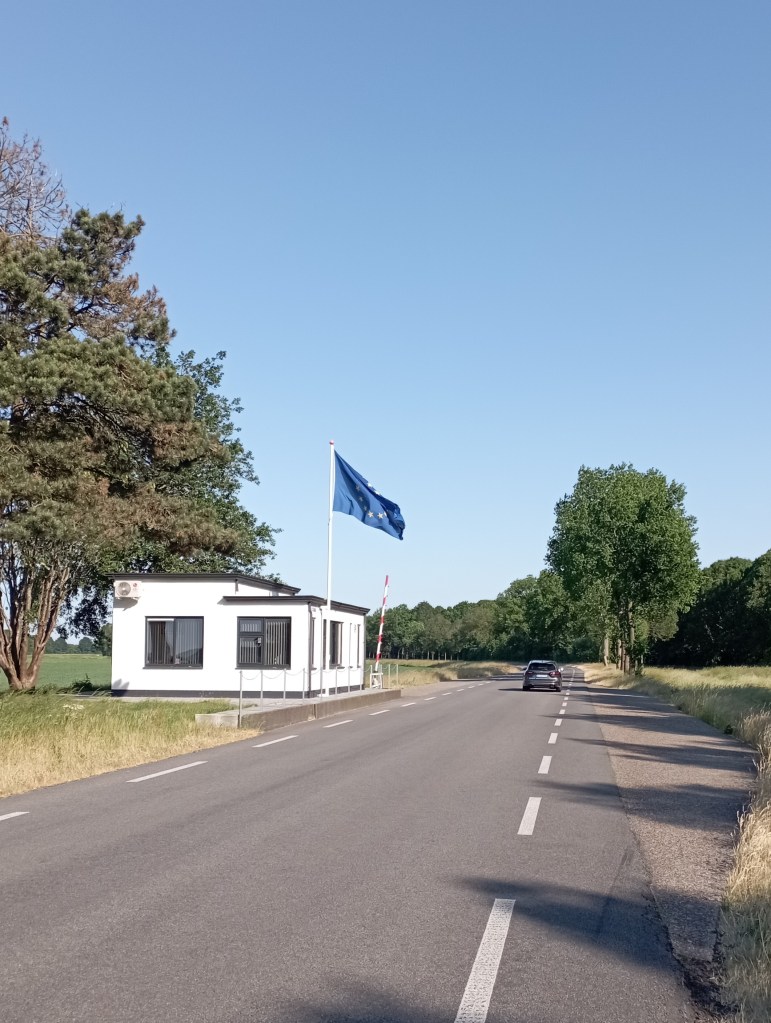
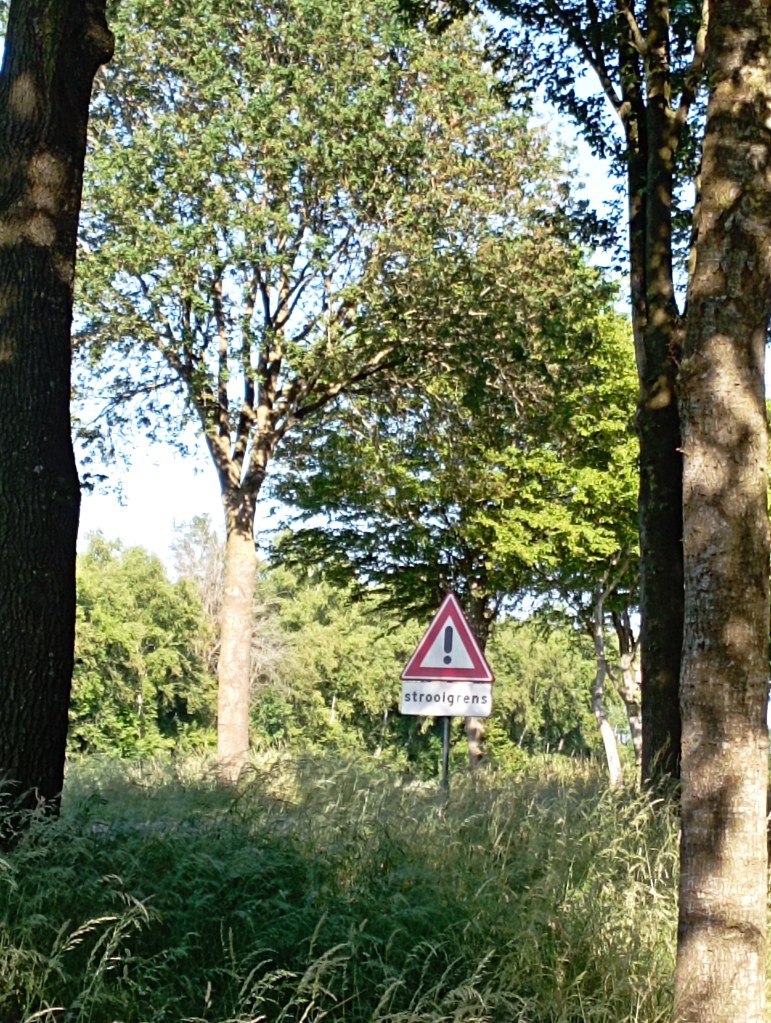
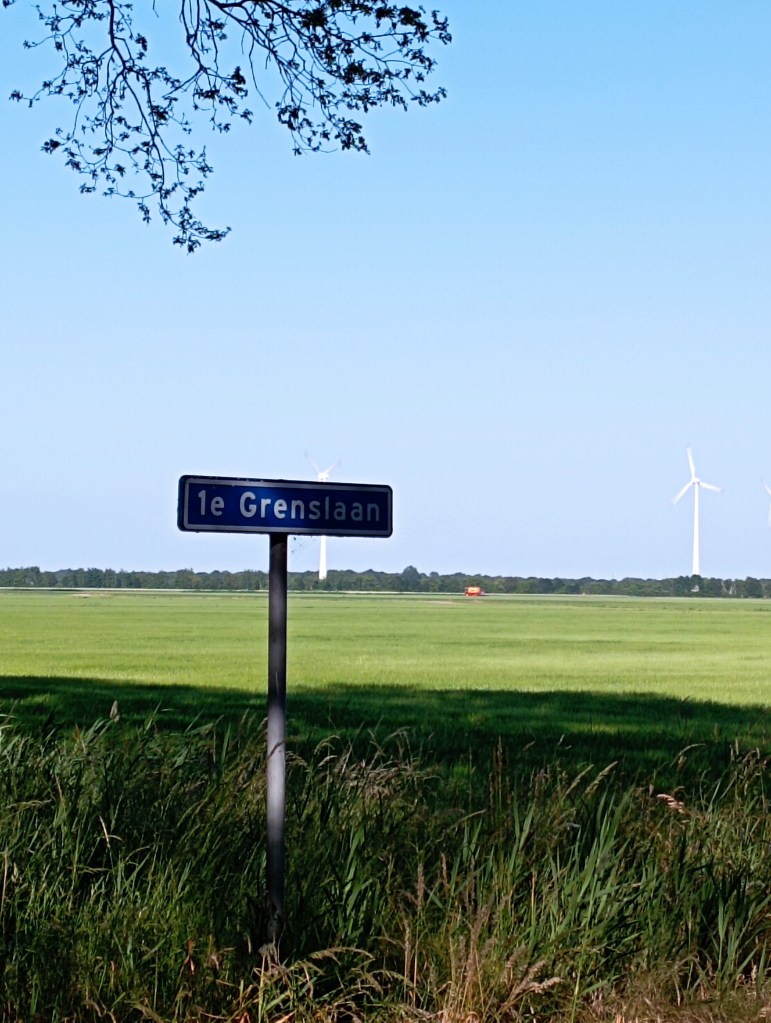
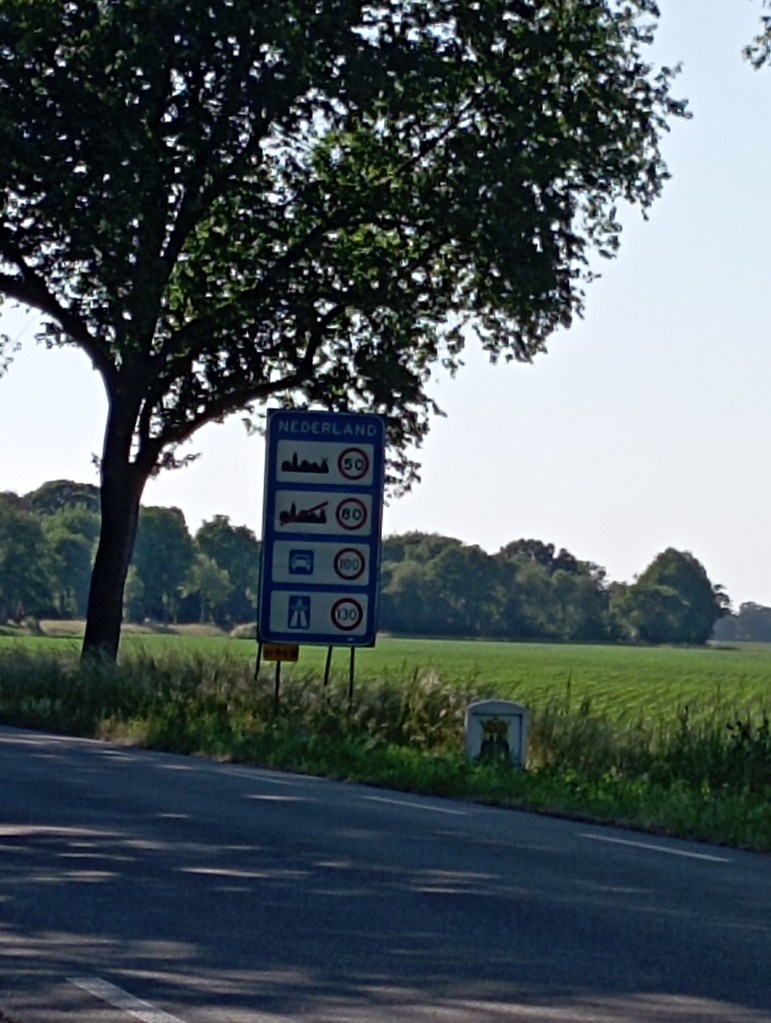
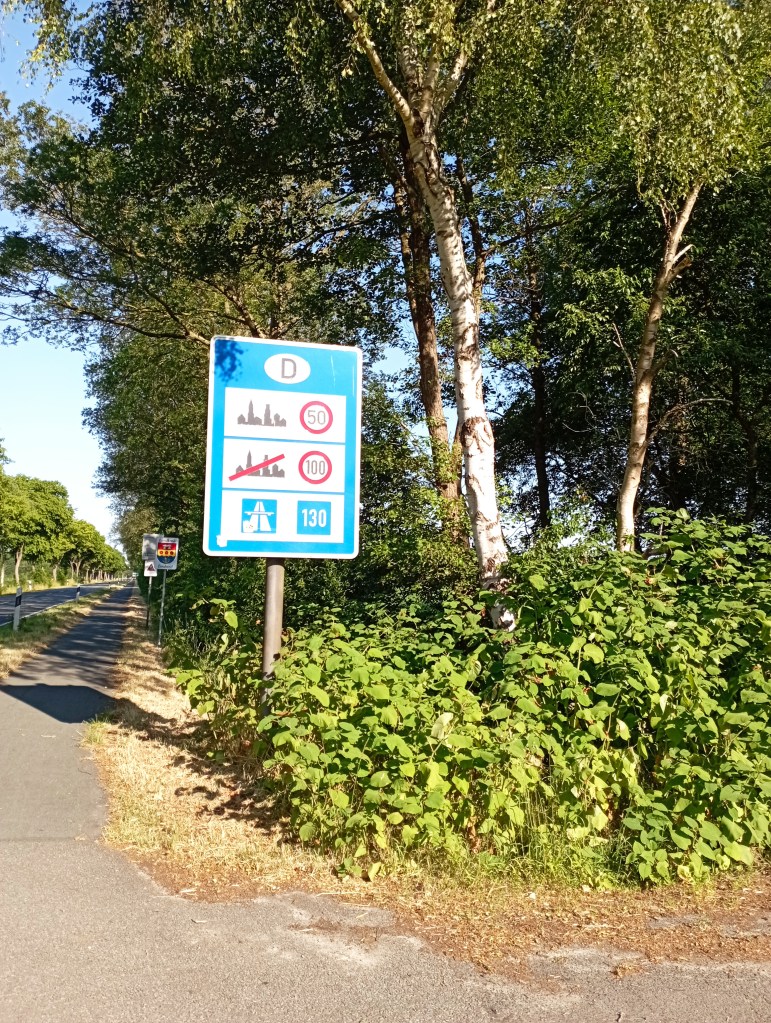
The project “In search of evidences of borders” delves into the exploration of discernible signs that indicate the presence of borders and the concept of free-crossing. It delves beyond the overt markers commonly associated with borders, such as labels, signs, flags, or physical barriers. Instead, the project seeks to uncover more subtle evidences that hint at the existence of borders.
Drawing a comparison with Nicosia, a city where free-crossing between the communities is restricted, evident by the presence of division signs, flags, and military forces around crossing gates and buffer zone, the project takes a different approach. It focuses on uncovering less conspicuous indications of borders.
For instance, along the road that connects the Netherlands and Germany, the project highlights a notable difference in the construction of the road itself at the point where the border lies. This subtle variation becomes an intriguing piece of evidence of the border’s existence. By examining these nuanced details, the project aims to broaden our understanding of how borders can manifest and influence our surroundings beyond conventional markers.
virtual free-crossing Nicosia
screen recording, performance
Human icon negative flag
photographs, videos, performance, video-stills
fabric
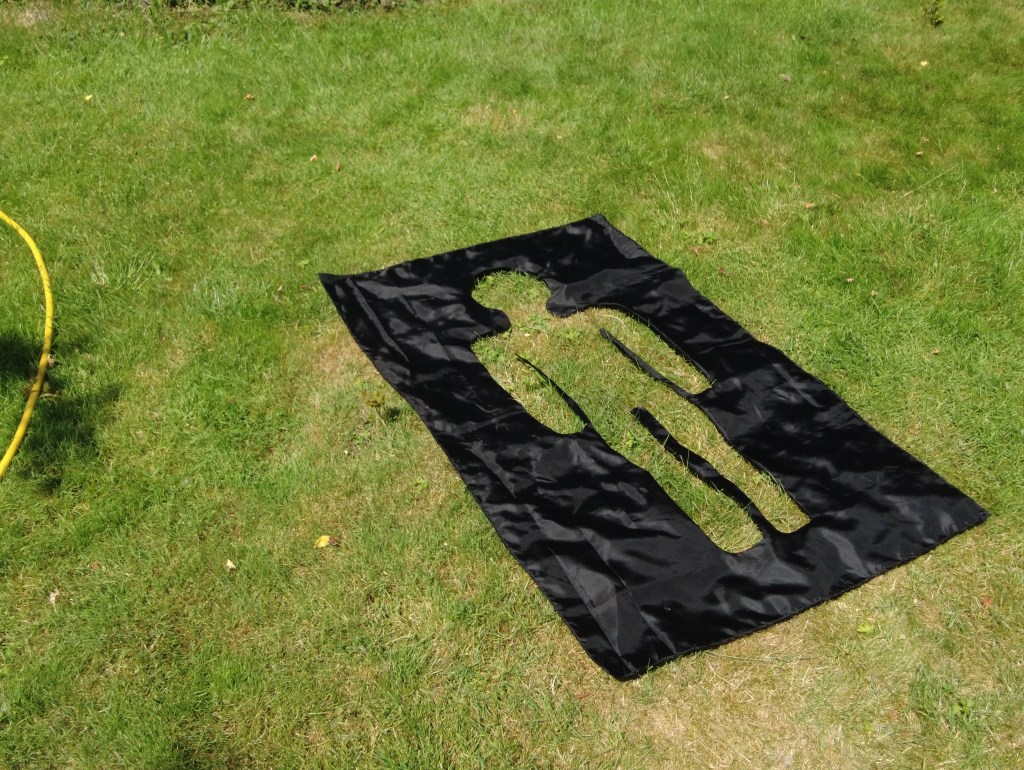
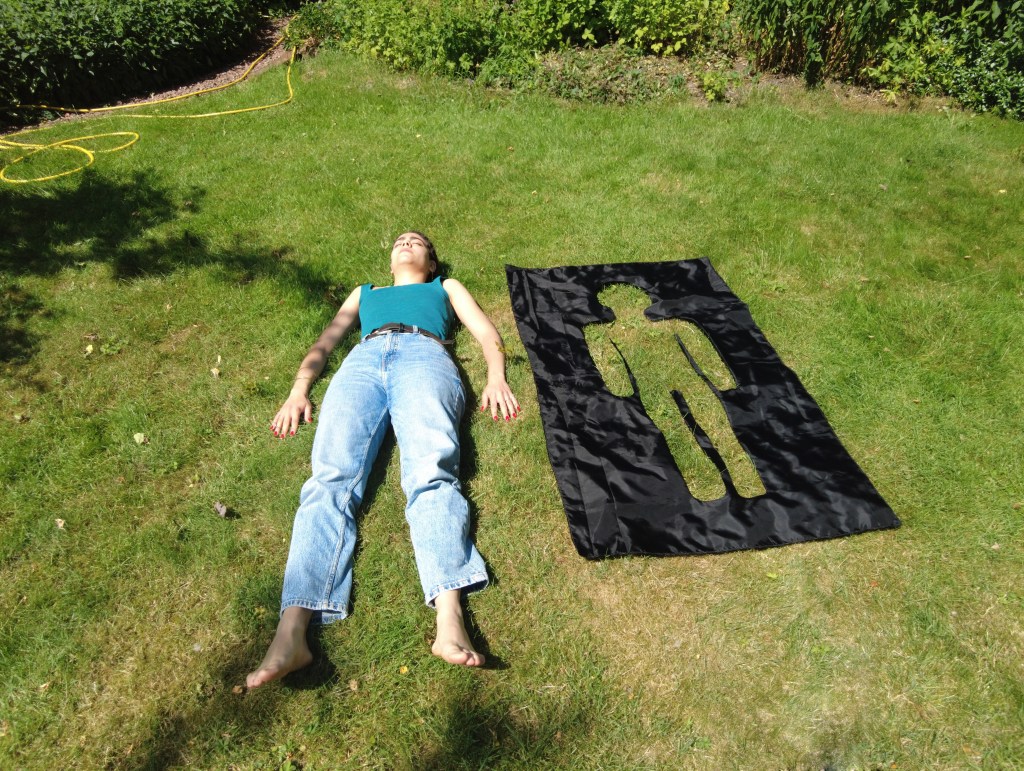
The “human icon negative flag” project delves into the intriguing realm of negative space within a flag design. By utilizing the concept of negative space, this project aims to symbolize the absence or deficiency of human intelligence in relation to the human icon depicted.
Throughout the creative process, the artist sought to establish a personal connection with the icon, exploring various ways to interact with it. She attempted to fit herself into its form, to become one with it, and to lie beside it. These explorations led to the discovery of both connections and differences between the artist and the icon.
The negative space within the flag became a canvas for contemplation, allowing for a deeper understanding of the complexities of human intelligence and its limitations. The project prompts viewers to question and reflect upon the significance of human intelligence in the broader context of existence.
The project challenges traditional notions of symbolism and representation. By exploring the absence rather than the presence of the human form, it invites us to consider the inherent contradictions and paradoxes within our own intelligence and understanding of the world.
Do pictograms have expiration date?
photograph
fabric, stitched text
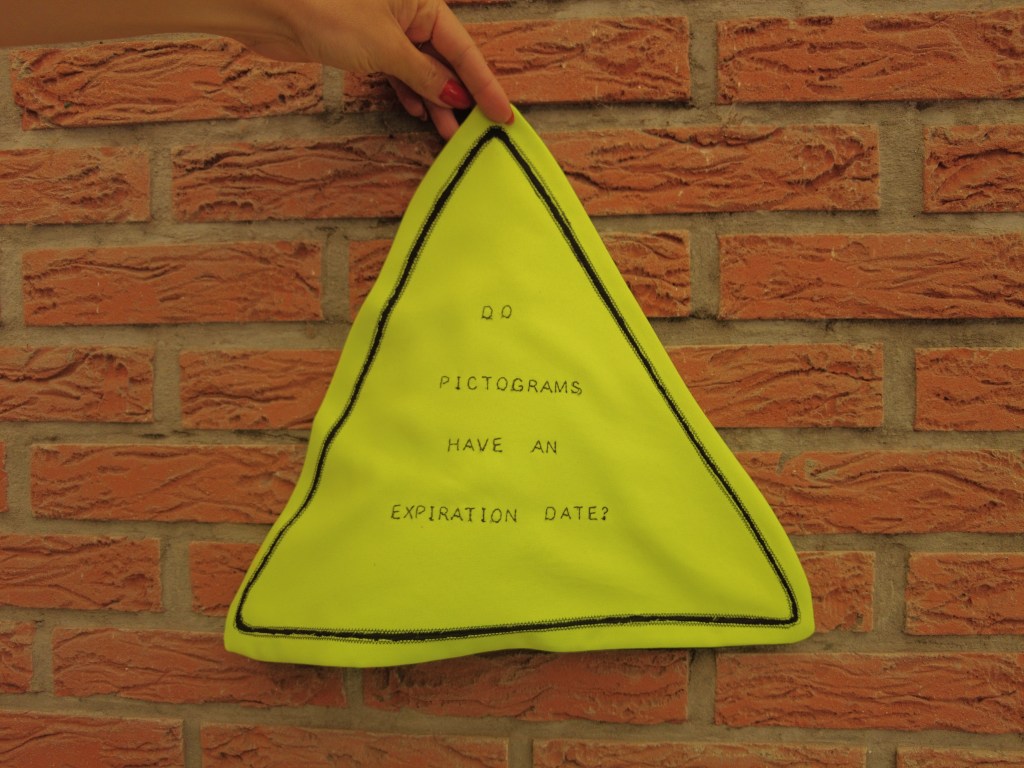
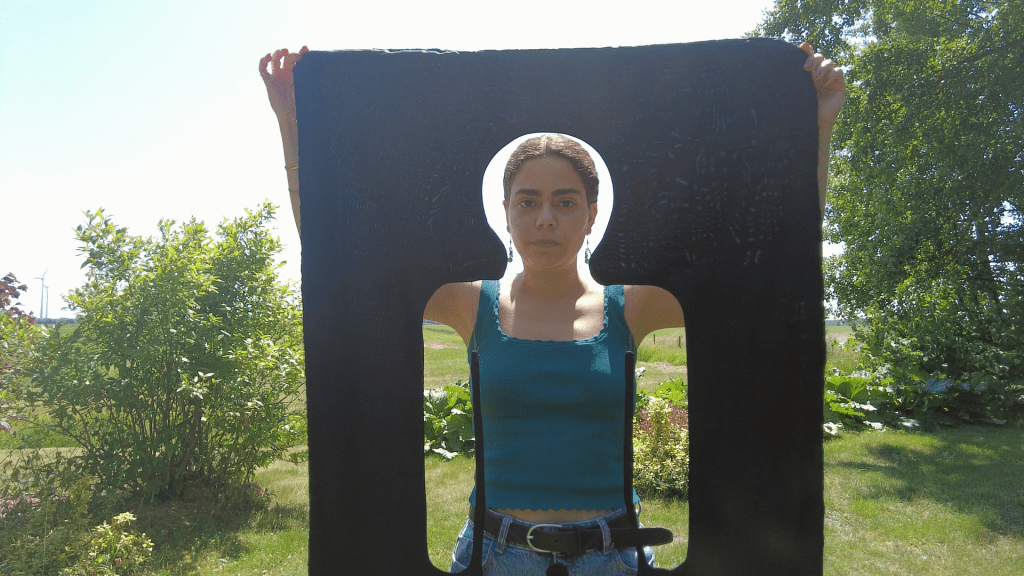
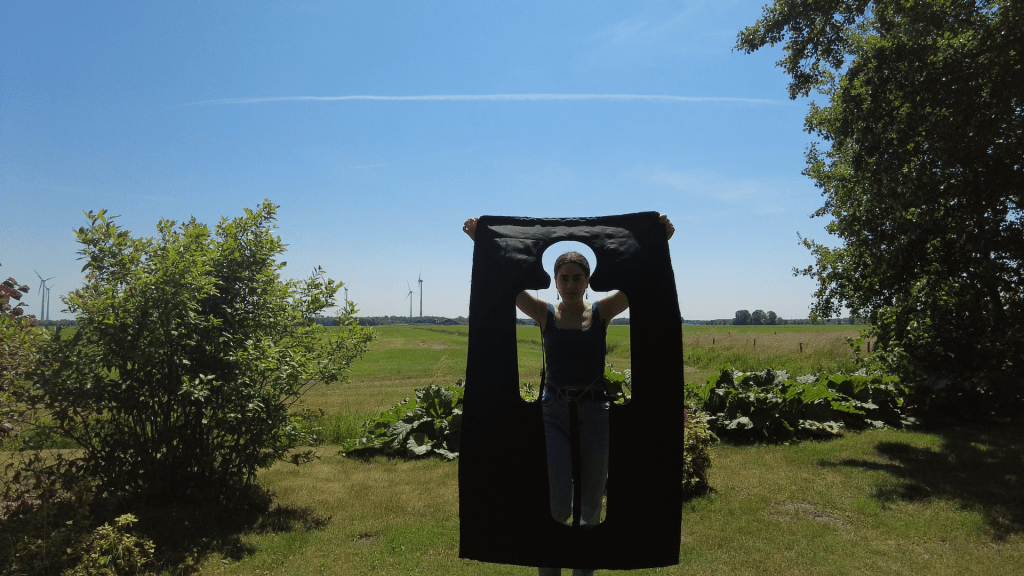
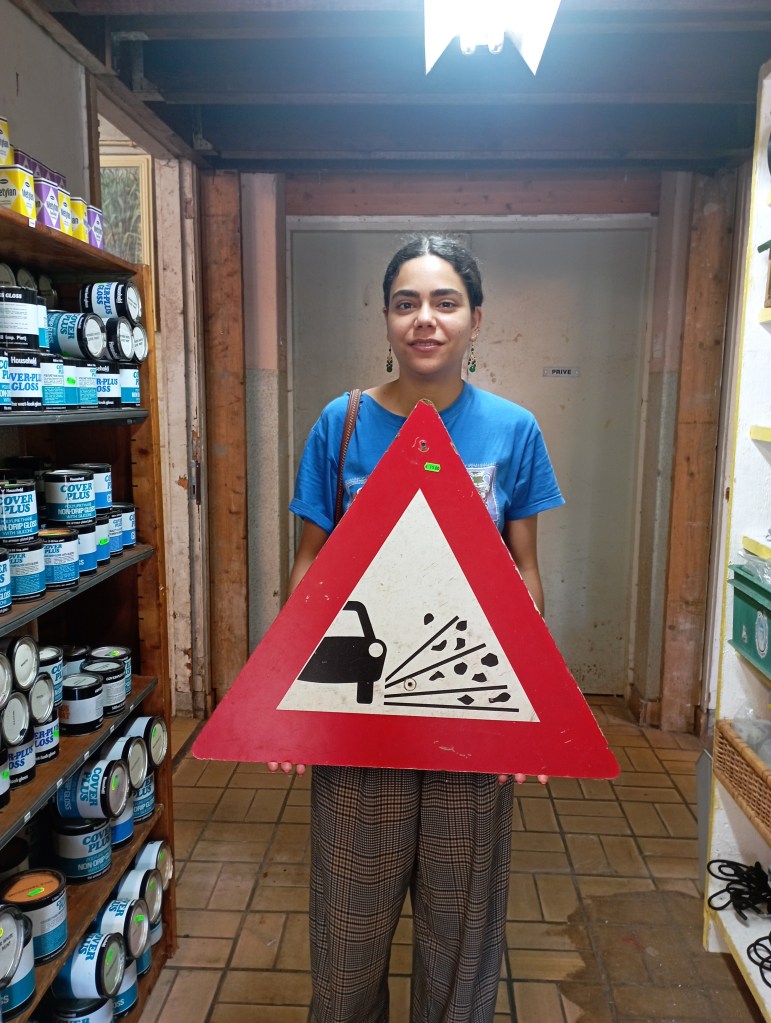
The project “Do pictograms have expiration date?” explores the intriguing concept of the lifespan of pictograms, raising questions about their significance when humans are absent. Taking the form of a fabric warning sign, the experiment delves into the informative nature, interpretability, and functionality of these universal symbols in the absence of human observers.
Pictograms, signs, icons, and symbols play a crucial role in our daily lives, guiding us, conveying messages, and facilitating communication. However, we seldom consider their fate when we are not present to perceive them. This project seeks to shed light on their existence beyond human interaction, contemplating how they retain their purpose and impact in the absence of observers.
The fabric warning sign, emblazoned with the sewn text “Do pictograms have expiration date?” serves as a tangible representation of this inquiry. The project aims to challenge our preconceived notions about the permanence of pictograms and their ability to convey meaning and information to other sentient beings.
By examining the lifespan and functionality of pictograms, the project prompts us to consider their adaptability and universal understanding across various contexts. How might other intelligent beings interpret these symbols? Do pictograms possess an inherent expiry date, or are they timeless and transcendent?
The experiment stimulates contemplation on the broader concept of visual communication, encouraging us to question the essence of symbols and their enduring relevance. It invites us to explore the potential of these pictorial representations to transcend time, cultural boundaries, and the limitations of human perception.
“Do pictograms have expiration date?” serves as an intriguing exploration into the world of symbols and their longevity. By challenging our understanding of their purpose and significance, it invites us to reflect on the enduring power of visual communication in our interconnected and ever-evolving world.
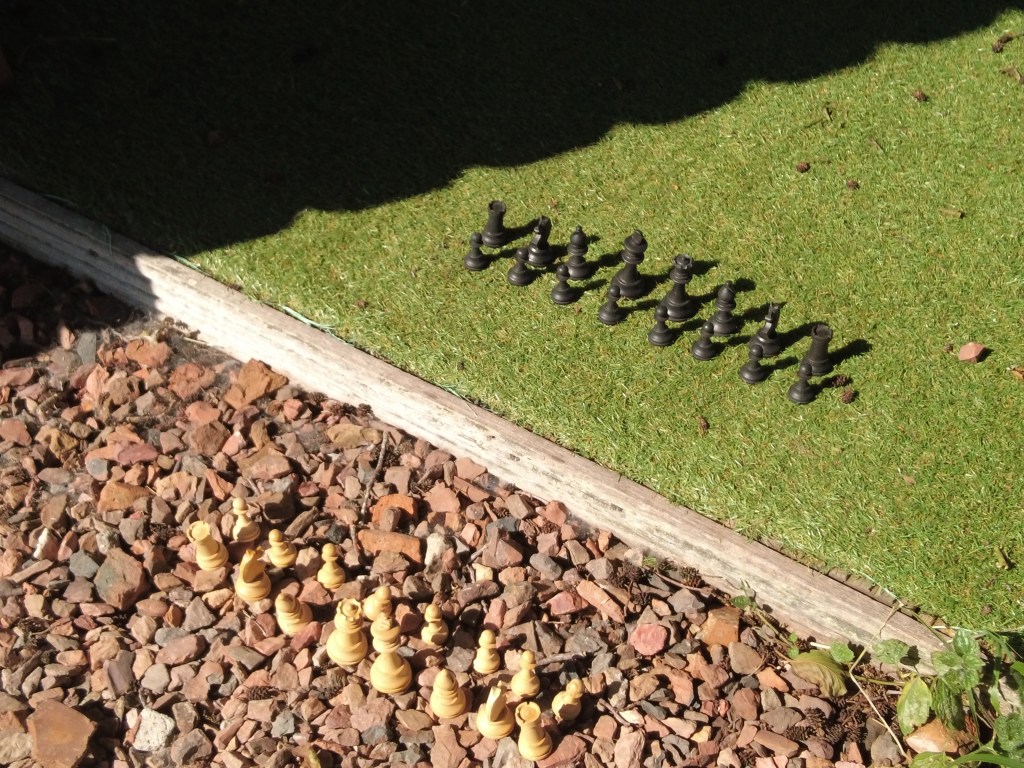
chess games
photograph
chess pieces, mouse trap
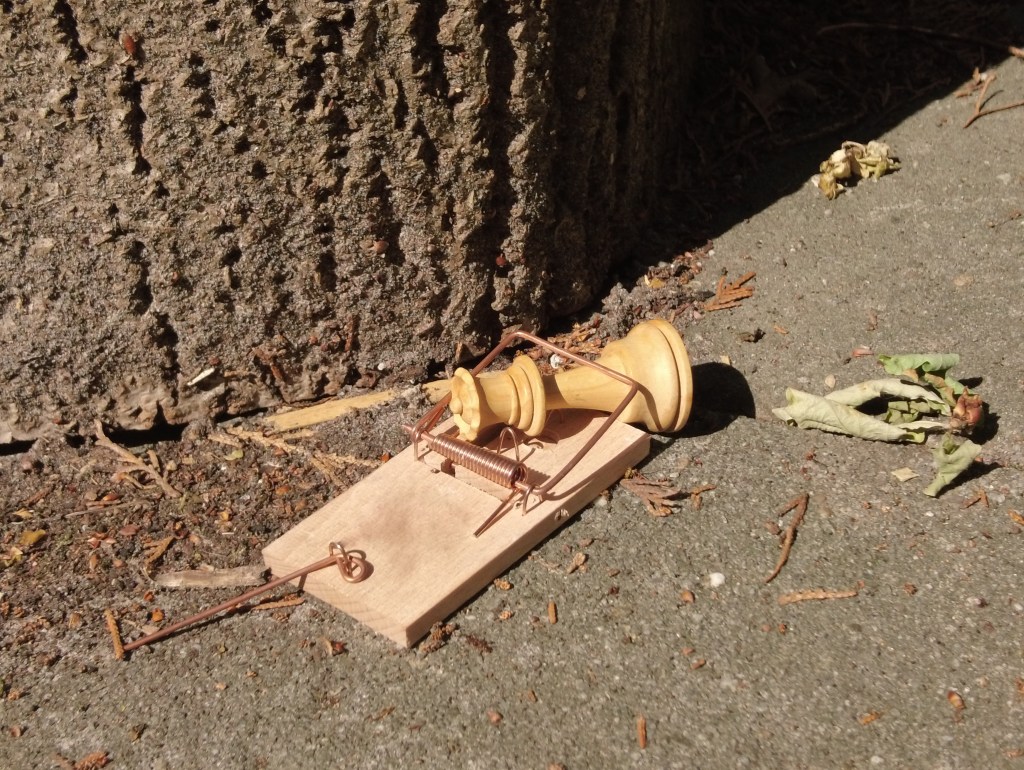
Chess, an age-old territorial board game—a reflection of the human desire to dominate and control. The artist, driven by a desire to shed light on this territorial nature, employs a visual metaphor to highlight the theme. The project illuminates the relationship between the game and the broader world it symbolizes.
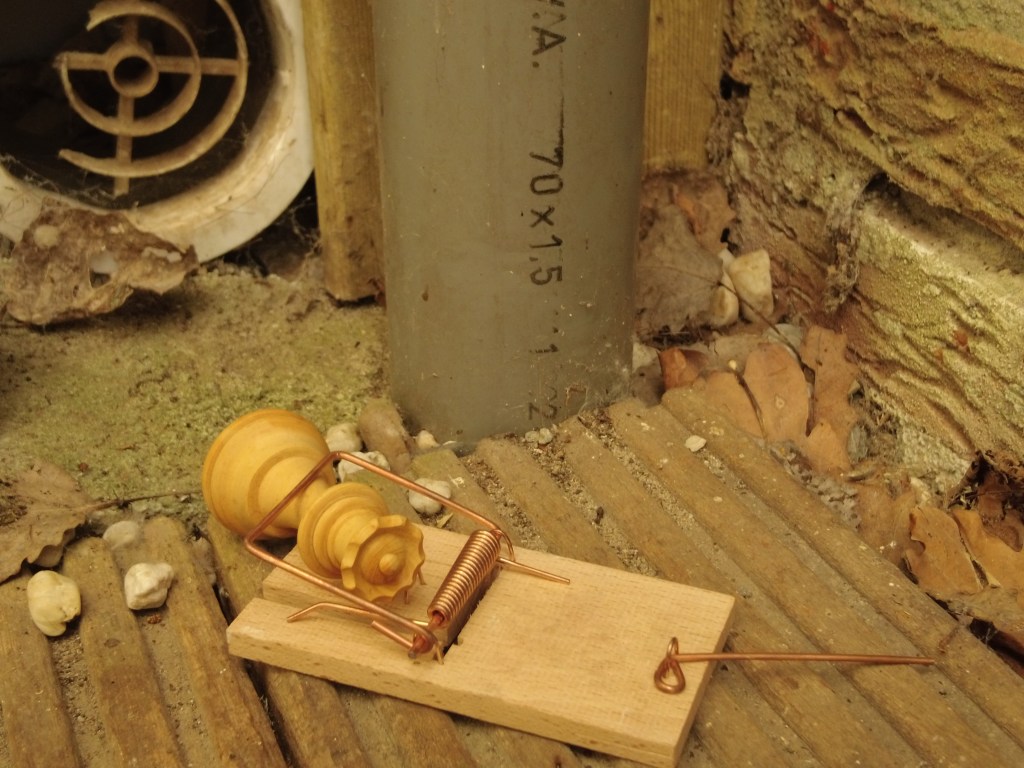
The queen, an influential and powerful piece on the chessboard, is portrayed ensnared within a mouse trap—a symbol of confinement and constraint.
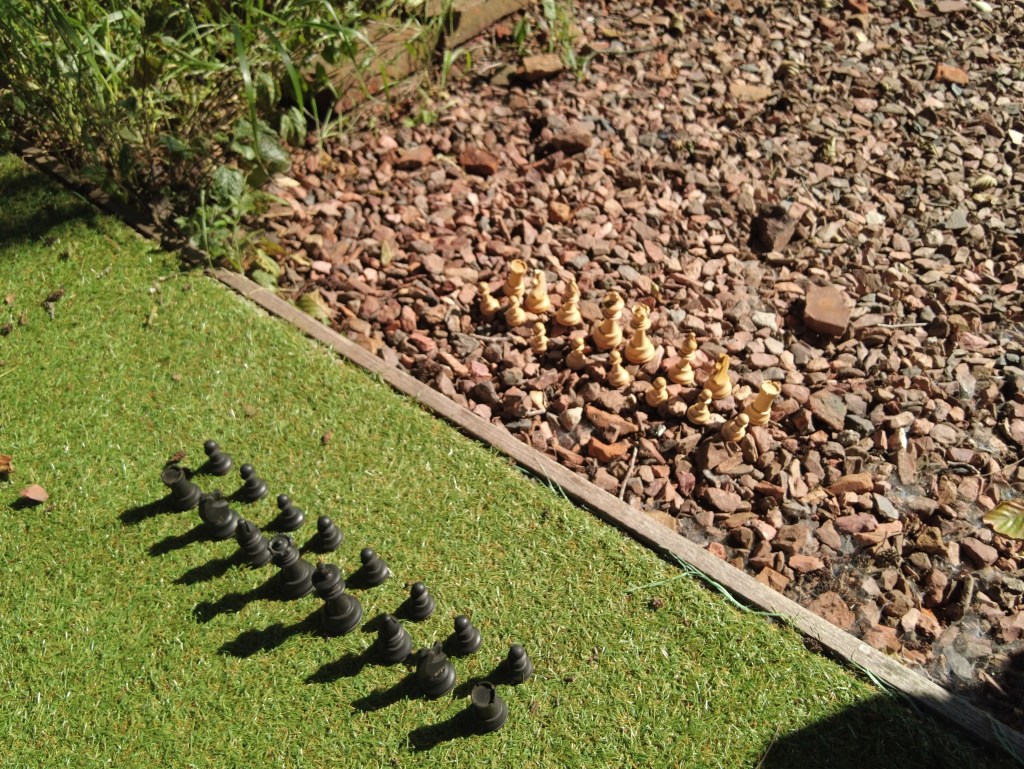
By placing the chessboard and its pieces in various contexts, the project challenges the game’s implications. Through this approach, the territorial nature of chess becomes more tangible, inviting contemplation on the broader human condition and the struggles that arise from our innate desire for control.
By examining the intricate dynamics of chess, the project illuminates the relationship between the game and the broader world it symbolizes, challenging the conventional understanding of boundaries, territories, and semiotics.
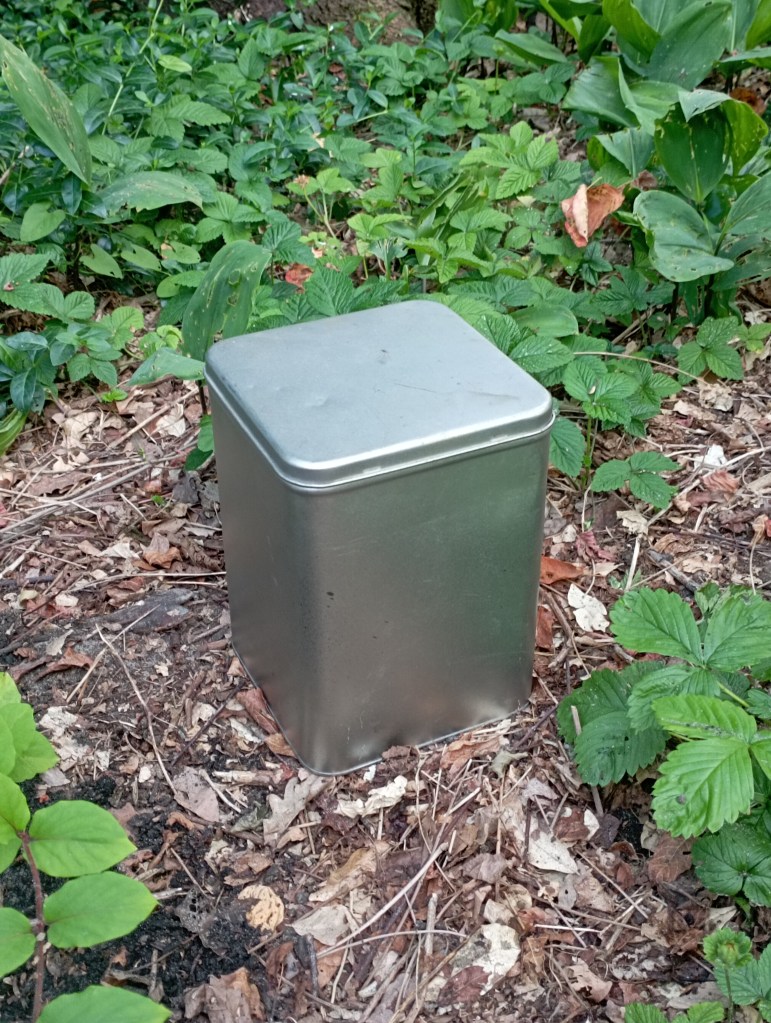
Time-capsule
on-going performance
metallic box, various materials, Earth
What is more important, what we send to space or what we say to each other?
The concept of a time capsule explores this intriguing notion, delving into the messages humanity chooses to represent itself to the cosmos. It is an exploration that sheds light on our shared existence and the values we hold dear.
These messages intentionally steer clear of human activities marred by war, conflict, division, and displacement. As we embark on this cosmic journey, we seek to showcase the best of our kind, emphasizing the virtues we are proud of rather than the darker aspects of our nature that we are eager to conceal. Very likely with how we deal with social media on a personal lever.
Symbols and icons take center stage in these messages, carefully chosen to convey our collective identity. But as these messages travel through the vastness of space, one wonders how they will be perceived by other intelligences or future generations of humans. Will they recognize the significance of our symbols?
The hostess FarmArt, Lisa Smithson, envisions a Triennale meeting every three years, inviting all the artists who have participated in the artists-in-residence program to showcase their works, exchange feedback, and foster creative collaborations.
Enthusiastically anticipating the next Triennale, I choose to organize an ongoing project. By the year 2026, all participating artists will send or place something meaningful in a metallic box, which will then be buried at FarmArt. A letter will be sent to the artists who came before my program, explaining their role in this endeavor. The future artists will also be informed of their part by Lisa, ensuring that this collaborative tradition continues to flourish across generations of artists.
The time capsule becomes a testament to our shared human experience, a vessel that preserves our aspirations, creativity, and collective wisdom. As it rests beneath the soil, it symbolizes the passage of time and the interconnectedness of artists past, present, and future. Together, we strive to leave an indelible mark, a message that echoes through the ages, bridging the gap between who we are and who we aspire to be.
DOCUMENTATION OF THE RESEARCH AND EXPLORATION OF THE DISTRICT
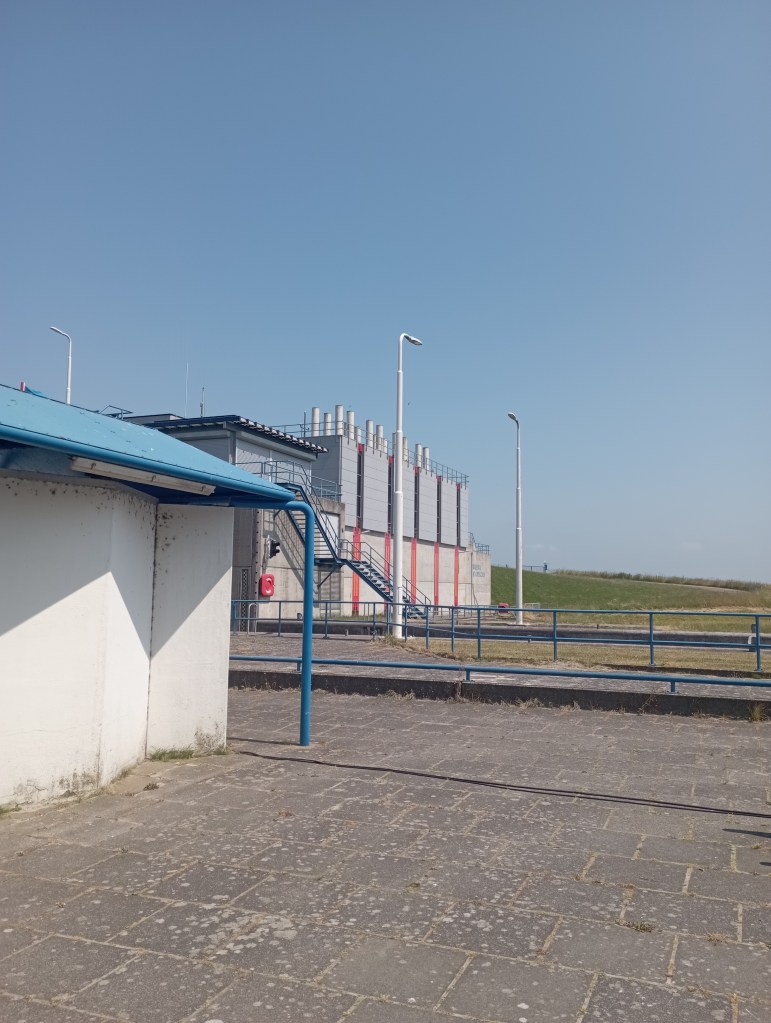
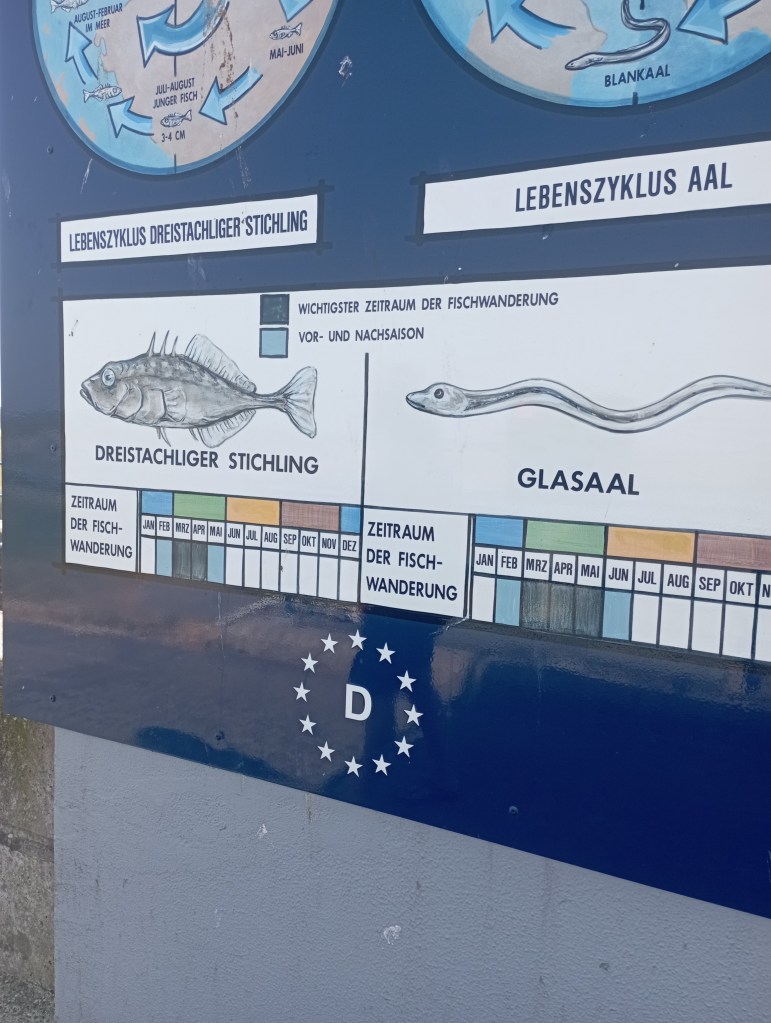
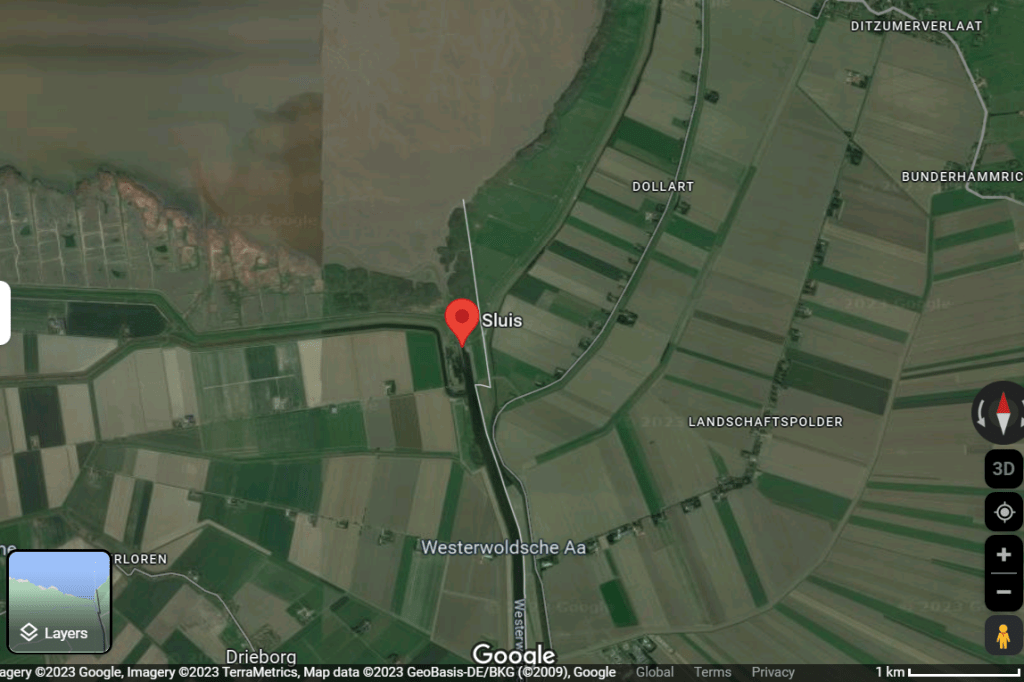
Sluis
Drieborg, Netherlands
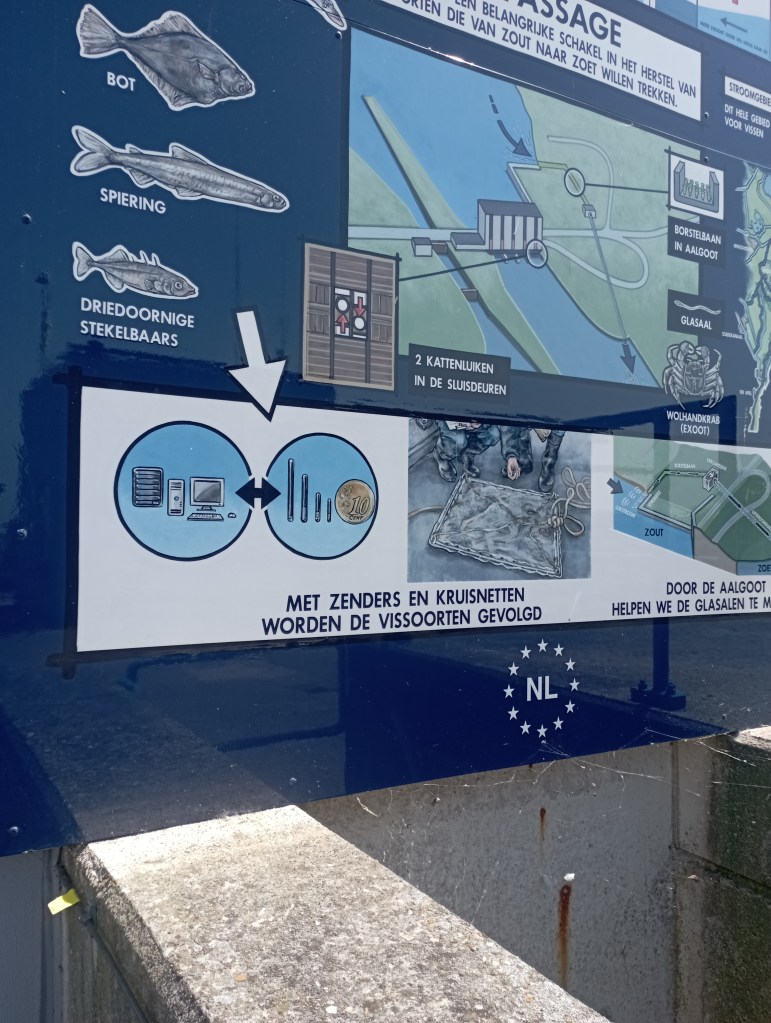
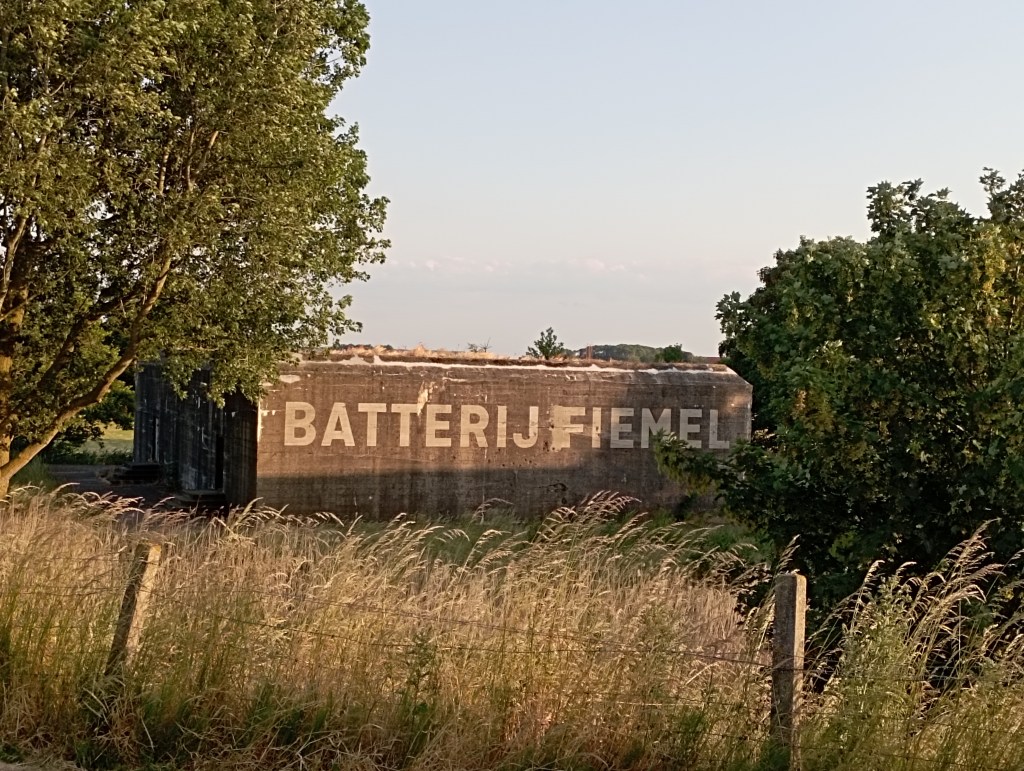
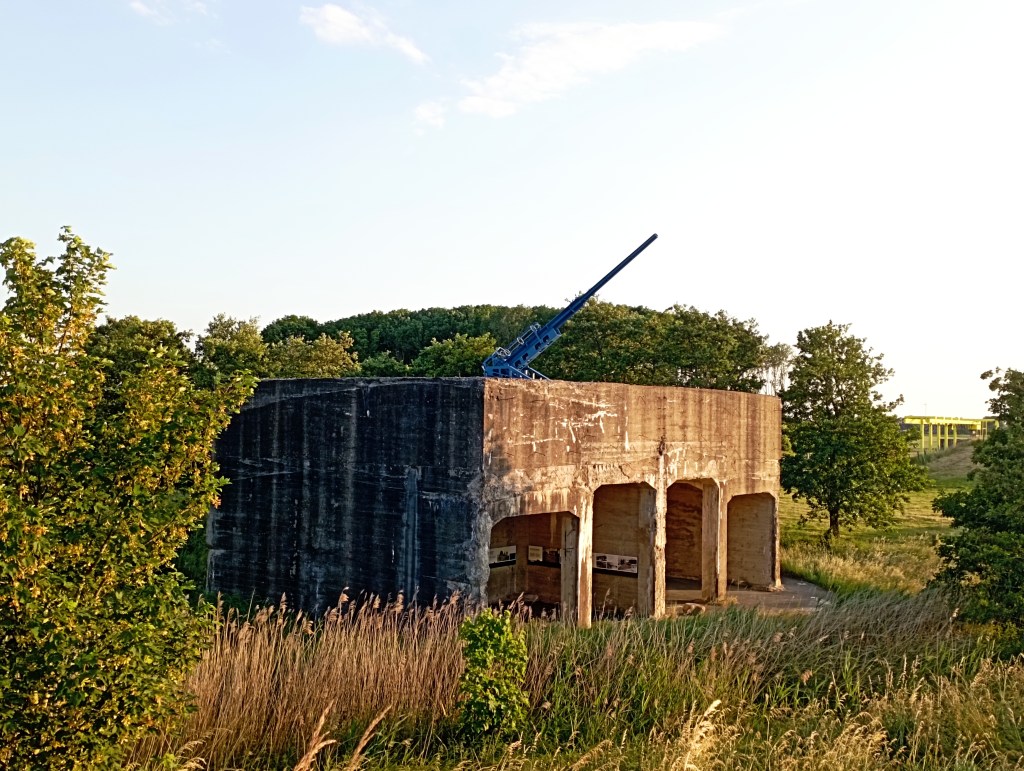
Batterij Fiemel
Termunten, Netherlands
Photographs from around the border
Evidences of the border
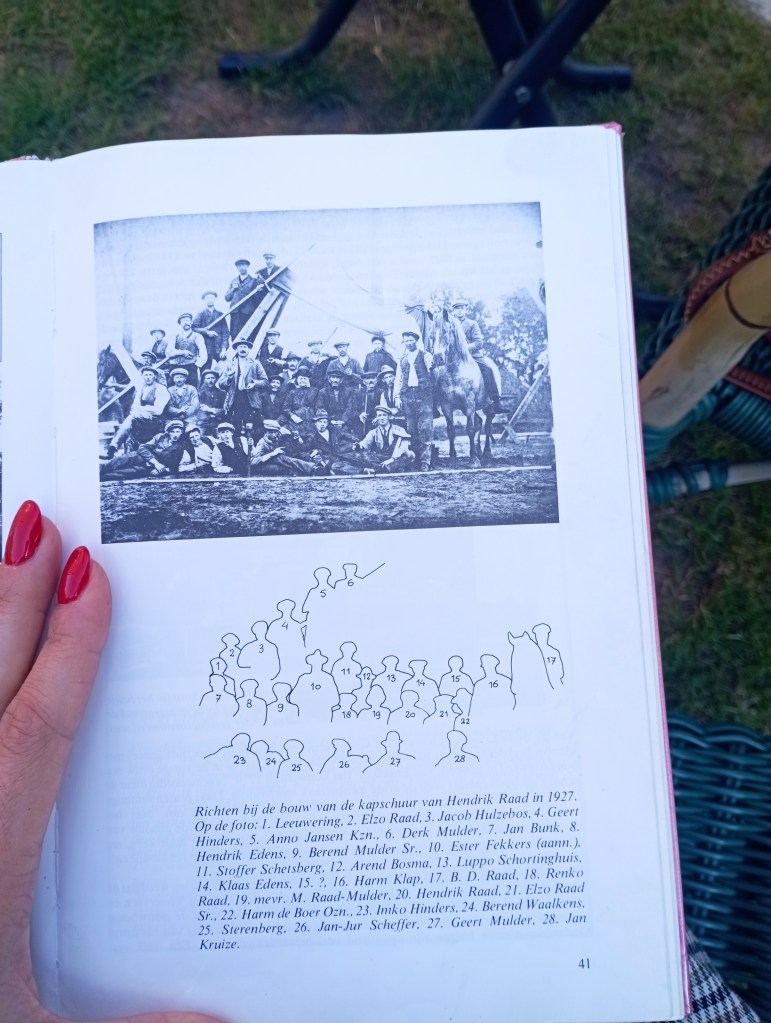
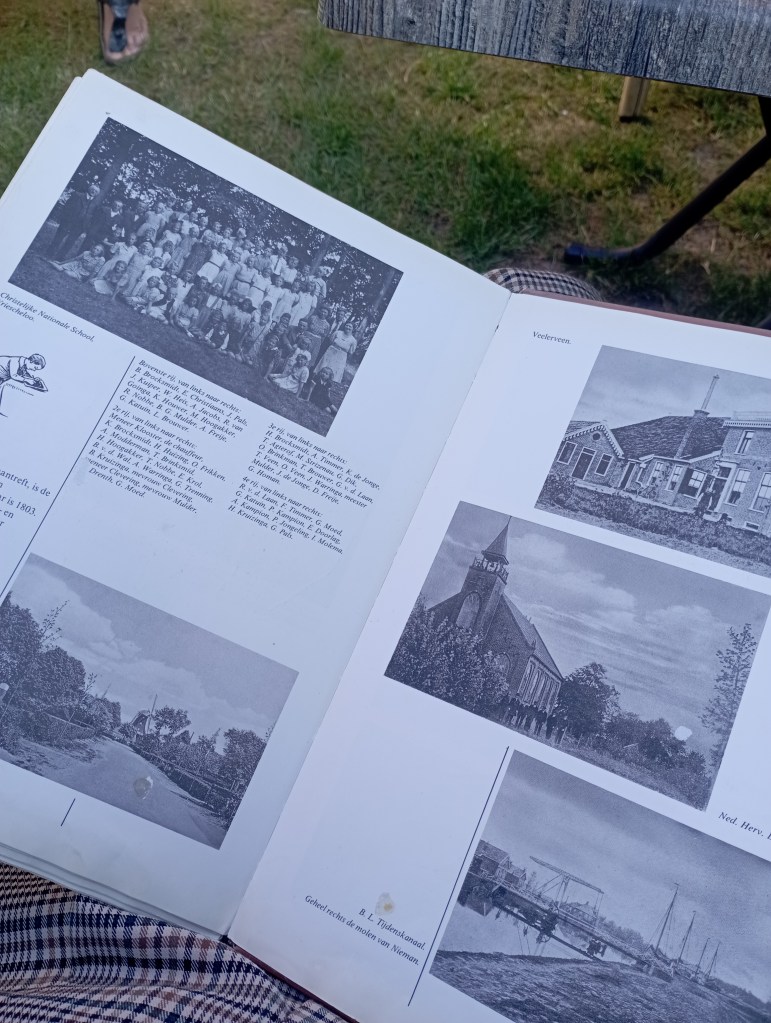
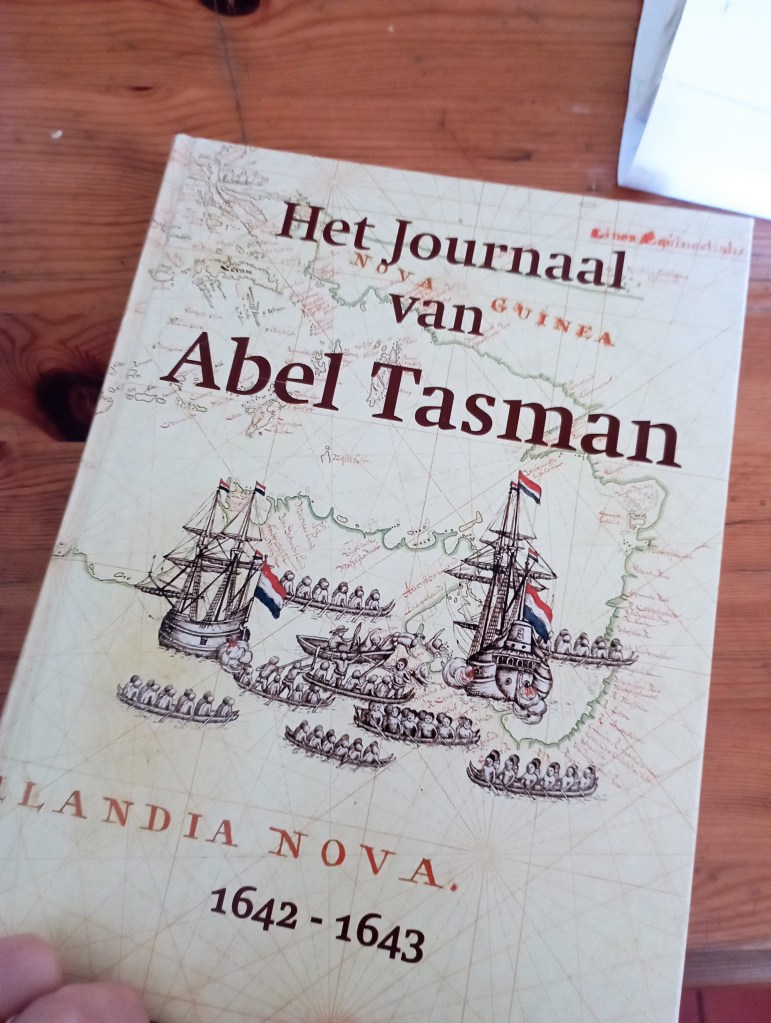
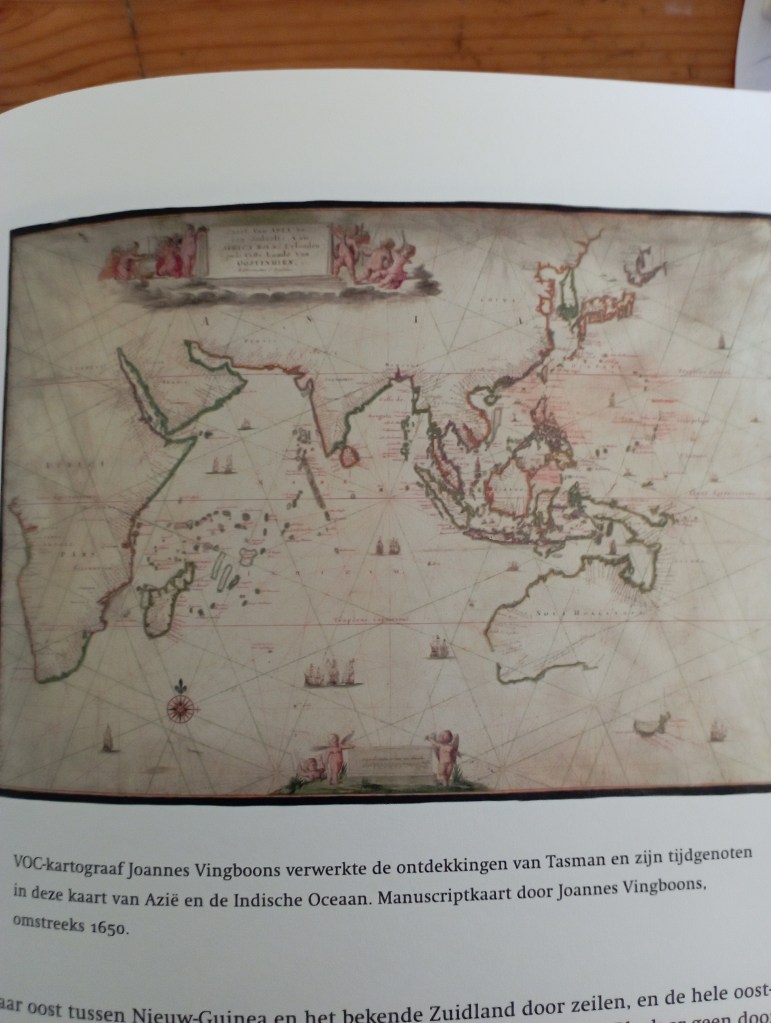
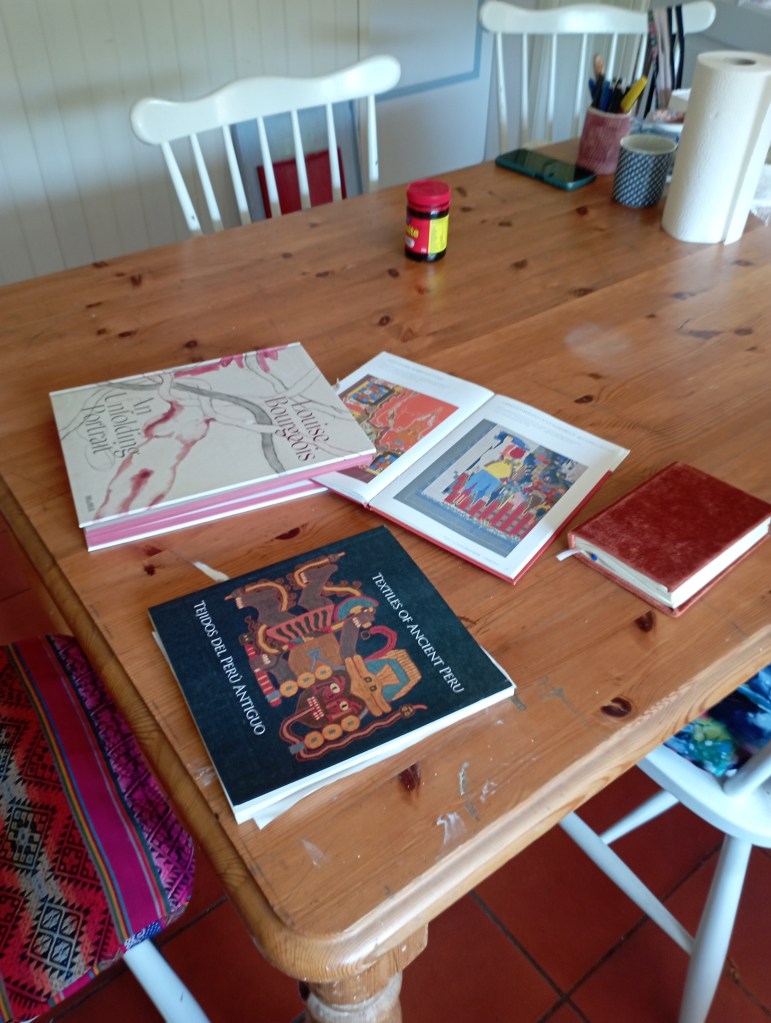
Books for inspiration
 Vasiliki Riala